 Wifāq ul Ulāma (SA) ASSOCIATION OF SOUTH AFRICAN 'ULAMA
 1. One should not delay in settling his debts. It is reported in the Hadith that the debtor’s delaying in settling his debts despite him having the means to do so is a form of oppression.…
Sunnats and Aadaab of Tilaawat of the Qur’aan Majeed – Part 4
 1. At the time of reciting the Qur’aan Majeed, it is mustahab for one to be in a state of wudhu, wearing clean clothes and facing the Qiblah.…
Aadaab of Business and Dealings – Part 6
1. If the debtor is in financial constraints and difficulty, the creditor should not harass him, rather he should take pity on his condition and grant him respite in settling his debts.…
Sunnats and Aadaab of Tilaawat of the Qur’aan Majeed – Part 5
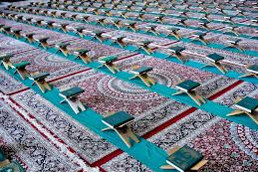 1. One should dedicate some time daily for the tilaawat of the Qur’aan Majeed.
وعن أبي ذر رضي الله عنه قال قلت يا رسول الله أوصني قال عليك بتقوى الله فإنه رأس الأمر كله قلت يا رسول الله زدني قال عليك بتلاوة القرآن فإنه نور لك في الأرض وذخر لك في السماء رواه ابن حبان في صحيحه في حديث طويل (الترغيب والترهيب رقم 2193)
Hazrat Abu Zar (radhiyallahu ‘anhu) reports, “I once asked Rasulullah (sallallahu ‘alaihi wasallam), ‘O Rasulullah (sallallahu ‘alaihi wasallam), give me some advice?’…
Read More »The Faraa'idh of Wudhu
Q: What are the faraa’idh of wudhu?
A: The faraa’idh of wudhu are as follows:
- Washing the entire face once.
Sunnats and Aadaab of Tilaawat of the Qur’aan Majeed – Part 21
 1. There are certain surahs which have been prescribed to be recited at specific times during the night and day or during certain days of the week.…
Washing the Face in Wudhu
Q: Which parts of the face should be washed in wudhu?
A: The entire face should be washed in wudhu i.e.…
Sunnats and Aadaab of Tilaawat of the Qur’aan Majeed – Part 22
 1. There are certain surahs which have been prescribed to be recited at specific times during the night and day or during certain days of the week.…
Sunnats and Aadaab of Relieving Oneself – Part 1
 1. Relieve yourself in a secluded place which is protected from the gazes of people.
عن جابر بن عبد الله رضي الله عنهما قال إن النبي صلى الله عليه وسلم كان إذا أراد البراز انطلق حتى لا يراه أحد (سنن أبي داود، الرقم: 2)
Hazrat Jaabir (radhiyallahu anhu) reports, “When Rasulullah (sallallahu alaihi wasallam) intended to relieve himself, he would go to a place which was protected from the gazes of people.”…
Read More »Washing Between the Sideburns and Ears
Q: Is it necessary to wash the area between the sideburns and ears in wudhu?…